

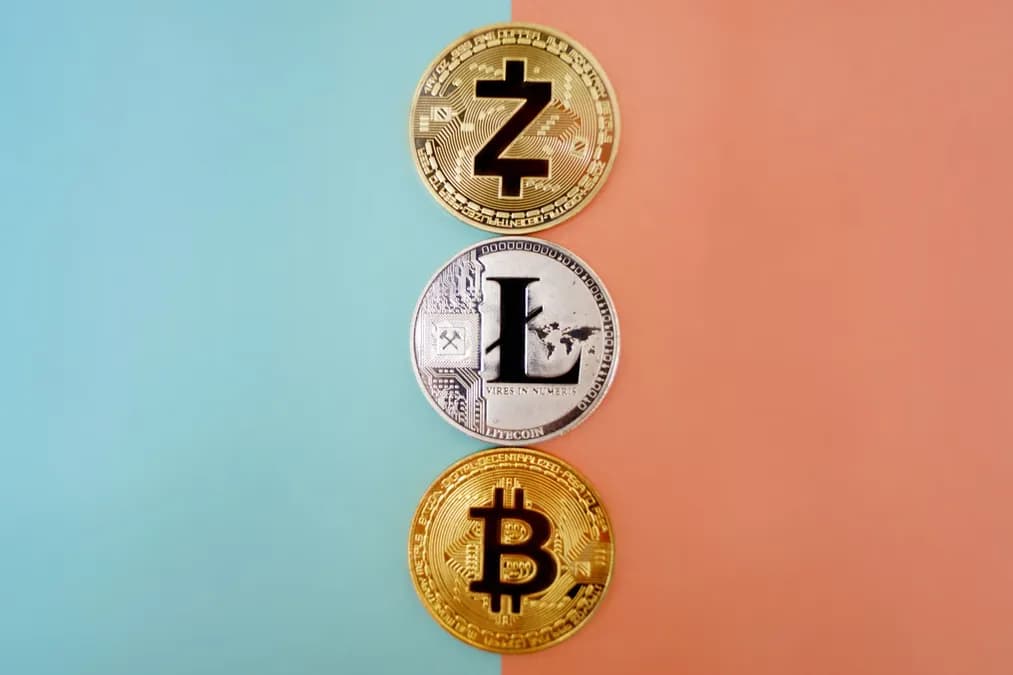
Understanding altcoins: a promising alternative to Bitcoin
Since the emergence of Bitcoin in 2009, the cryptocurrency landscape has significantly diversified. Among the thousands of cryptocurrencies available, altcoins (or "alternative coins") represent all digital currencies other than Bitcoin. These altcoins often aim to improve certain limitations of Bitcoin, whether in terms of transaction speed, fees, or technical features. In 2026, understanding what altcoins are and identifying the best projects becomes essential for any investor wishing to diversify their crypto portfolio wisely.
Altcoins: definition and main characteristics
An altcoin is therefore any cryptocurrency alternative to Bitcoin. These digital currencies generally rely on blockchain technology, but with sometimes very different goals and architectures. For example, Ethereum, the second largest blockchain network, introduces smart contracts that allow the creation of decentralized applications (dApps). Other altcoins, like Solana, stand out for their processing speed and low transaction costs.
Altcoins can be classified into several categories:
- Smart contract platforms: Ethereum (ETH), Solana (SOL), Cardano (ADA)
- Stablecoins: Tether (USDT), USD Coin (USDC) – whose value is pegged to fiat currencies
- Privacy-focused cryptocurrencies: Monero (XMR), Zcash (ZEC)
- Utility tokens: Binance Coin (BNB), which are used to pay fees or access specific services
In 2026, altcoins continue to evolve with major innovations, notably in scalability, privacy, and decentralized applications