iShares Biotechnology ETF jumps by 24%: The new biotech sector dynamics
The iShares Biotechnology ETF (IBB) has surged by 24% in 2026, boosted by a record 587% rise in Moderna and a wave of FDA approvals. Analysis of drivers – genomics, mRNA, AI – and persistent risks.
The iShares Biotechnology ETF (IBB) has gained 24% since the beginning of the year, continuing a record 28% rise in 2025, according to CNBC. This performance places the fund at the heart of a sectorial rebound that analysts qualify as a 'powerful innovation cycle'. The movement is attracting investors' attention who are scrutinizing biotech stocks on the Nasdaq.
iShares Biotechnology ETF (IBB) progresses by 24% in 2026
The fund holds 233 titles; two dozen of these positions have more than doubled their value since January 1, according to the same report. This concentration of gains reflects the rebound of titles most exposed to new therapeutic modalities. The fund's rebound far exceeds the average of the Nasdaq-Biotech, which has progressed by about 15% over the same period.
Investors note that the rise of IBB is supported by a combination of positive clinical results, merger and acquisition activities, and the adoption of emerging technologies such as genomics and AI. The fund, listed under the ticker IBB, remains one of the most liquid vehicles for accessing the entire sector.
Moderna records a 587% increase despite an 18% drop
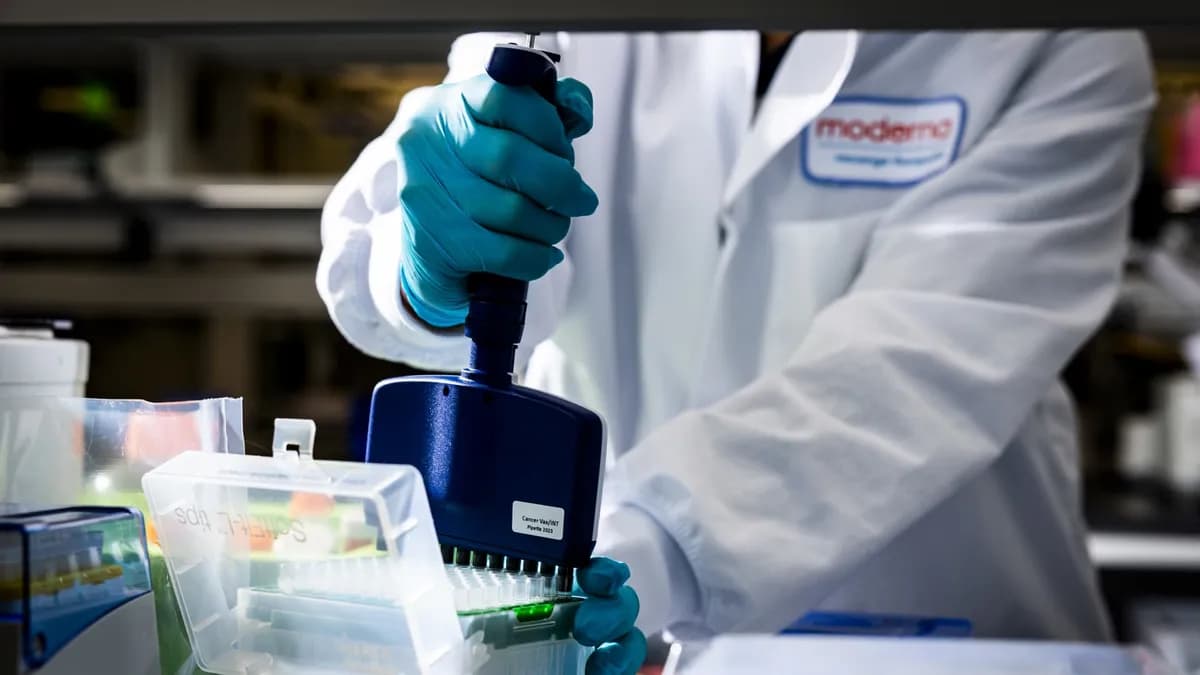
Moderna led performance with a vertiginous 587% rise since the beginning of the year, even after an 18% drop following the leak of clinical data for its cancer vaccine – data that ultimately proved positive. This volatility illustrates the sensitivity of the stock to results announcements but also underscores market confidence in the company's pipeline.
The rebound of Moderna has been fueled by enthusiasm around mRNA technology, which has already transformed COVID-19 treatment. CNBC analysts point out that the company is benefiting from increased demand for mRNA therapies in areas such as oncology and rare diseases.
Launch of a new biotech innovation cycle according to analysts
John Hall, portfolio manager of T. Rowe Price Biotechnology ETF, said: 'We are at the heart of a powerful innovation cycle.' He adds that new modalities are beginning to reach the market, which he believes should support the creation of innovative drugs. This view is shared by several analysis firms that see the convergence of genomics, mRNA, and AI as the main driver of the rebound.
The same article indicates that companies are better understanding the biology of diseases, which should translate into a steadier flow of new therapies. Investors see additional valuation potential for titles exposed to these cutting-edge technologies.
FDA approves a dozen new biological medicines in 2025
In 2025, the Food and Drug Administration approved approximately twelve new biological medicines out of a total of 46 approvals, according to CNBC. This record proportion testifies to an accelerated approval rate, facilitated by technological advances and more efficient review processes.
Among the most promising candidates are treatments from Moderna and Merck's melanoma drug, as well as Eli Lilly's future obesity treatment. The pipeline includes 66 medicines awaiting approval, several of which could become blockbusters.
AI and machine learning accelerate drug discovery
Ted Tenthoff, analyst at Piper Sandler, highlighted that 'biotechnology is a phenomenal application of artificial intelligence and machine learning.' He specifies that predictive models now allow the discovery of compounds that traditional methods could not identify.
These tools reduce research timelines and increase the chances of success in clinical trials, according to the same report. Specialized funds, including IBB, benefit from exposure to companies integrating AI into their pipelines, strengthening the prospects for higher returns.
Post-COVID context: high rates and cooling M&A
The biotech sector peaked during the pandemic when ultra-low interest rates stimulated investments in mRNA vaccine developers. Massive demand for Moderna, Pfizer, and BioNTech vaccines drove record revenues.
Since the end of the crisis, higher interest rates have cooled initial public offerings and merger and acquisition operations, creating a more cautious environment. Despite these brakes, the current rebound shows that fundamentals remain solid, even if long development cycle risks persist.