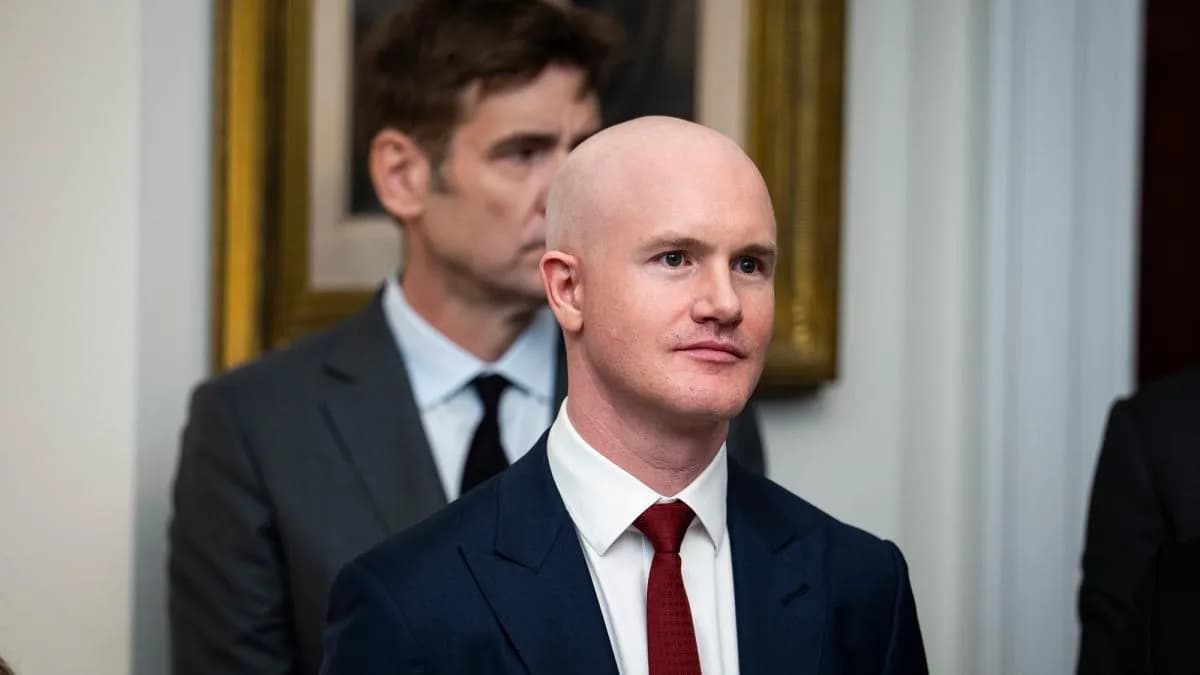
The crypto-assets sector has dedicated over $170 million to Republican candidate campaigns in the 2026 midterm elections, according to a report by CoinDesk. This is the largest financial mobilization ever observed from organizations related to digital currencies in a single electoral period, despite national polls indicating a high probability of Democratic victory in Congress. A detailed analysis of these expenditures reveals not only the major players – the super PACs Fairshake, Digital Freedom Fund, and Fellowship Fund – but also the funding allocation strategies, campaign financing mechanisms, and regulatory implications underlying this massive support for Republicans.
Role of super PACs in U.S. political financing
In the United States, political action committees (PACs) and specifically super PACs are allowed to collect unlimited contributions from individuals, businesses, or other organizations, provided they do not coordinate directly with candidate campaigns. This legal structure enables sectors of interest, such as crypto-assets, to inject significant sums of money into the electoral process while remaining technically separate from the candidates they support. Contributions are then reported to the Federal Election Commission (FEC), which publishes funding data in real-time, offering partial transparency on monetary flows.
Among the three main super PACs, Fairshake stands out for its scale and continuous activity. According to Geoff Vetter, spokesperson for Fairshake, the group has allocated $154 million to candidates who support American innovation in the domain of digital assets. This figure represents over 90% of the total spent by the three mentioned PACs. Furthermore, Fairshake maintains a reserve of $56 million for future electoral cycles, indicating a desire to maintain sustained political presence even in case of unfavorable election results.
Digital Freedom Fund and Winklevoss influence
The Digital Freedom Fund, primarily backed by Tyler and Cameron Winklevoss, has focused its efforts on three key Senate states: Ohio, Texas, and Iowa. In November 2026, the fund spent over $8 million to prevent Democratic challengers from winning these seats. These states are historically strategic for Senate majorities, and targeted funding aims to secure favorable votes for bills that could ease regulatory constraints on exchange platforms, decentralized finance (DeFi) projects, and stablecoins. The Winklevoss brothers' decision to engage directly via a super PAC reflects an increasing trend of industry founders actively shaping the legislative framework.
Fellowship Fund: Alliance with Cantor Fitzgerald and Tether
The third major actor, the Fellowship Fund, benefits from support by investment bank Cantor Fitzgerald and maintains close ties with stablecoin leader Tether. Over the year, the Fellowship Fund has contributed $3.8 million to Republican candidates, including Texas Senator Ken Paxton, a declared supporter of crypto-asset deregulation. Later, the same fund added three Democratic endorsements, allocating $600,000, half of which went to Ritchie Torres, a New York representative known for his enthusiasm towards cryptography and blockchain projects. This dual orientation shows that while most funds are directed towards Republicans, some actors remain willing to support tech-friendly Democratic elected officials.
2026 midterm election political context
The 2026 midterm elections are crucial for controlling Congress, as they will determine the party in power's ability to pass or block major legislation. National polls published ahead of the election indicate a probability above 60% that Democrats will retain or increase their majority in the House of Representatives, while the Senate remains highly competitive. Despite these predictions, crypto sector actors have heavily invested in Republican campaigns, anticipating that even if the party suffers seat losses, it will continue to defend a more technology-friendly blockchain approach, notably by opposing legislation imposing strict compliance requirements or taxing digital transactions.
Economic and regulatory implications of Republican crypto support
The financing of crypto-republican super PACs can be interpreted as an attempt to secure a predictable regulatory environment. Republicans, historically perceived as more favorable to free markets and reducing regulatory burden, have supported bills aiming to clarify the legal status of digital assets, limit the SEC's power over tokens, and encourage innovation in blockchain-dedicated economic zones. In exchange, financial contributions offer candidates additional resources for TV ads, digital campaigns, and voter mobilization efforts, increasing their chances of success in close-margin districts.
Analysis of the economic mechanism behind crypto-political financing
The process of collecting and spending funds by super PACs follows several key steps. First, crypto industry companies, institutional investors, and wealthy individuals make unlimited donations directly to the super PAC, without limits on amount or detailed identity disclosure to the public, although the FEC records contributions. Then, the super PAC allocates resources to specific campaigns, often based on the candidate's probability of success and alignment with the industry's public policy objectives. Expenditures include producing ads, buying media space, creating digital content, and funding field teams for door-to-door efforts. Finally, super PACs retain a portion of funds (in Fairshake's case, $56 million) for future electoral cycles, ensuring political influence continuity.
Geographical and strategic distribution of investments
The states targeted by the Digital Freedom Fund – Ohio, Texas, and Iowa – are political battlegrounds where Senate control can swing from one party to another. Texas, for example, has a significant blockchain startup ecosystem and hosts several major exchanges, explaining the crypto community's particular interest in supporting Ken Paxton, who has expressed opposition to overly restrictive federal regulations. Ohio recently adopted tax incentives for tech companies, and Republican candidate support aims to solidify these policies. Iowa, traditionally a swing state, represents an opportunity to gain an additional Senate seat, which would impact the quorum calculation for future crypto-asset laws.
Persistence of a long-term strategy
Geoff Vetter, spokesperson for Fairshake, recalled that the group "backs pro-crypto candidates who support American innovation in both parties," while emphasizing that the organization remains "issue-focused." This statement indicates that although current contributions are primarily directed towards Republicans, the super PAC does not rule out supporting Democratic candidates who share a favorable view of innovation. The presence of a $56 million 'nest egg' shows that the industry anticipates successive electoral cycles where political influence must be maintained, regardless of the immediate 2026 election results.
Potential market consequences
Crypto-asset markets often react to political signals, as investors perceive regulatory stability as a key factor in token valuation. A Republican seat gain in Congress could lead to the adoption of legislation favoring the creation of digital free trade zones, reducing reporting requirements for exchanges, and clarifying the legal framework for stablecoins. These measures could in turn stimulate market liquidity and capitalization, driving up prices of major cryptocurrencies. Conversely, a Democratic majority retention or increase could result in stricter regulatory proposals, increasing compliance costs and potentially hindering sector growth.
Analytical conclusion on the impact of crypto-republican financing
In summary, the crypto-assets sector has mobilized over $170 million via three major super PACs to support Republican candidates in the 2026 midterm elections, despite predictions favoring Democrats. This strategy combines unlimited funding mechanisms, geographical targeting of key states, and a long-term vision aimed at securing a regulatory environment conducive to innovation. The massive spending by Fairshake, the targeted role of the Digital Freedom Fund, and the involvement of the Fellowship Fund, backed by Cantor Fitzgerald and Tether, illustrate the depth of the crypto industry's political engagement. The expected consequences on markets and future legislation will depend on election results, but the presence of a significant reserve fund ensures that crypto sector influence will remain a determining factor in upcoming political debates.