The SK Hynix-Linked ETF Breaks Hong Kong's Record at $17 Billion
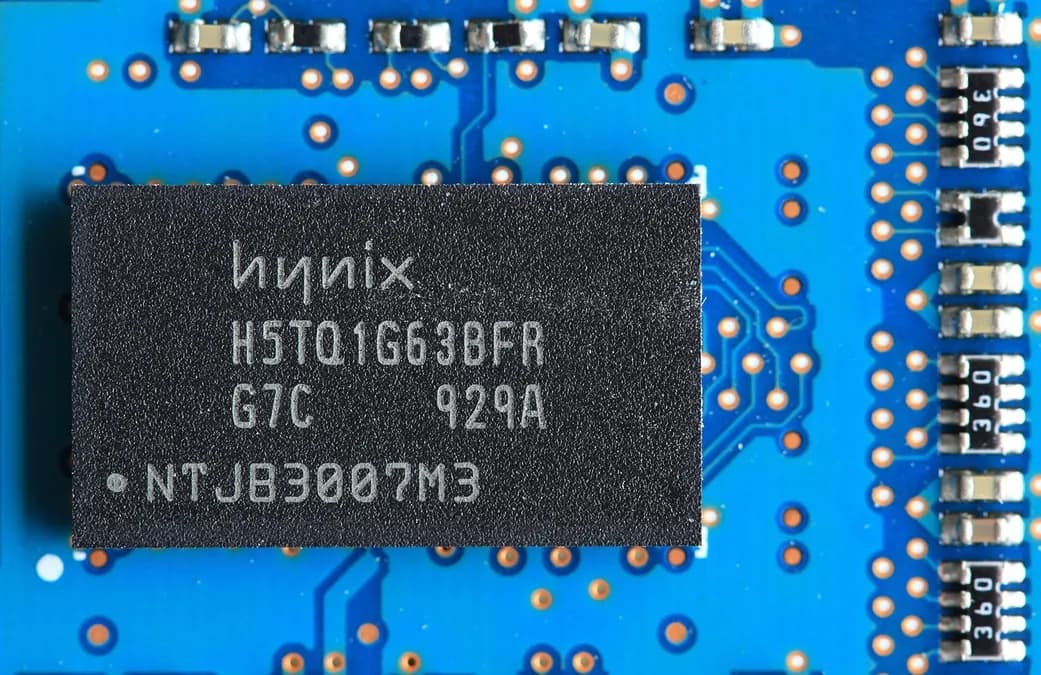
A financial product tied to SK Hynix Inc. has reached over $16.8 billion in assets under management, making it the largest ETF in Hong Kong. This reflects investors' appetite for risky bets on semiconductors.
A financial product linked to SK Hynix Inc. has reached over $16.8 billion in assets under management, making it the largest ETF in Hong Kong, according to Bloomberg. This reflects investors' appetite for risky bets on semiconductors.
The SK Hynix-Linked ETF Exceeds $17 Billion
This financial product, which is a derivative tied to SK Hynix's performance, has seen significant growth in terms of assets under management. This trend aligns with the growing demand for financial products linked to semiconductors, a booming sector. The economic mechanism behind this growth can be explained by how investors aim to capitalize on the semiconductor market's growth, driven by rising demand for electronic components in smartphones, electric vehicles, and other applications.
Investors are seeking to capitalize on the growth of the semiconductor market, which is considered strategic for the future of electronics and information technology. The demand for semiconductors is also supported by the growth of the information and communication technology industry, as well as the increasing adoption of artificial intelligence, the Internet of Things (IoT), and other emerging technologies.
To understand the economic context of this growth, it's important to consider the role of semiconductors in the modern economy. Semiconductors are essential components for manufacturing numerous electronic products, from smartphones to computers, electric vehicles, and security systems. The rising demand for these electronic products is directly linked to the growing demand for semiconductors.
The Context: Why Are Investors Interested in Semiconductors?
The semiconductor market is expanding, with companies like SK Hynix playing a key role in the production of these essential components. Investors are drawn to the growth prospects of this sector, which is considered strategic for the future of electronics and information technology. The sector's growth is also supported by technological advancements that enable companies to produce more powerful and efficient semiconductors.
The demand for semiconductors is further fueled by the growth of the information and communication technology industry and the increasing adoption of artificial intelligence, IoT, and other emerging technologies. These technologies require high-performance semiconductors to function effectively, driving up the demand for these components.
It's also important to consider the geopolitical context of semiconductor production. The production of semiconductors is concentrated in a few countries, including South Korea, Taiwan, and the United States. Geopolitical tensions between these countries and others can impact the supply chain and production of semiconductors, potentially affecting demand and prices for these components.
Implications for Financial Markets
The expansion of the semiconductor market and the growth of ETFs tied to this sector have significant implications for financial markets. Investors looking to diversify their portfolios and benefit from semiconductor growth may consider semiconductor-related ETFs as an attractive option. However, it's important to note that investments in semiconductors and derivative products linked to this sector carry risks.
Investors should carefully evaluate market conditions and potential risk factors before making investment decisions. Risks associated with semiconductor investments include market fluctuations, changes in semiconductor demand and prices, and risks related to production and supply chain issues.
It's also important to consider the volatility of financial markets and how investments in semiconductors can be affected by market fluctuations. Investors should have a long-term investment strategy and be prepared to weather market volatility to benefit from semiconductor sector growth.
Impact on European Assets
The trends observed in the semiconductor market and semiconductor-related ETFs may also have implications for European assets. European investors seeking to capitalize on semiconductor growth may consider semiconductor-related ETFs as an option to diversify their portfolios.
It's important to consult the most recent data and analyses on indices such as the CAC 40 and other European stock market indices to assess potential opportunities and risks associated with investing in semiconductors and semiconductor-related products. European investors should also consider the risks related to semiconductor production in Europe and how geopolitical tensions could impact the supply chain and production of semiconductors.
To summarize, the semiconductor market is booming, with companies like SK Hynix playing a key role in producing these essential components. Investors are drawn to the growth prospects of this sector, which is considered strategic for electronics and information technology. However, investments in semiconductors and derivative products linked to this sector come with risks, and investors should carefully evaluate market conditions and potential risk factors before making investment decisions.
Finally, it's important to note that the semiconductor market is constantly evolving, with new technologies and products emerging regularly. Investors should stay updated with the latest trends and analyses to make informed investment decisions and benefit from semiconductor sector growth. Semiconductor-related ETFs may be an interesting option for investors seeking to diversify their portfolios and capitalize on this sector's growth.
In conclusion, the semiconductor market offers growth opportunities and diversification for investors, but it's important to consider risks and potential risk factors before making investment decisions. Investors should carefully evaluate market conditions and risk factors to make informed investment decisions and benefit from this sector's growth.