Nasdaq Rebounds Over 1% Thanks to AI: Focus on SpaceX, CoreWeave, and Defensive Stocks
The Nasdaq gained over one percentage point on Monday, pushing the S&P 500 up as investors return to artificial intelligence stocks. Analysis of defense giants, space sector, and consumer stocks' performance.
The Nasdaq gained over one percentage point on Monday, driving the rebound of the S&P 500, as investors dive back into artificial intelligence stocks (source: CNBC).
Nasdaq +1% Thanks to AI, S&P 500 Follows Suit
The Nasdaq's rebound of over one percentage point reflects a surge in orders on AI-related stocks, a sector that has dominated capital flows since the second quarter. This dynamic has driven the S&P 500 to progress similarly, confirming that AI strategies continue to weigh heavily on major indices.
Analysts at CNBC note that the recovery comes after a period of disengagement where AI valuations had reached levels deemed excessive. The renewed interest is translating into higher trading volumes, particularly on semiconductor and specialized software stocks.
Defense: Northrop Grumman -2% Over Three Months, RTX Stable
Defense stocks showed mixed performances. Northrop Grumman lost 2% over the last three months, a 34% drop from its peak, while RTX remained stable, showing a 15% decline since its August summit.
This divergence reflects different investor expectations: the pressure on Northrop's margins due to increased competition in defense systems versus RTX's relative resilience thanks to its long-term contracts in aerospace.
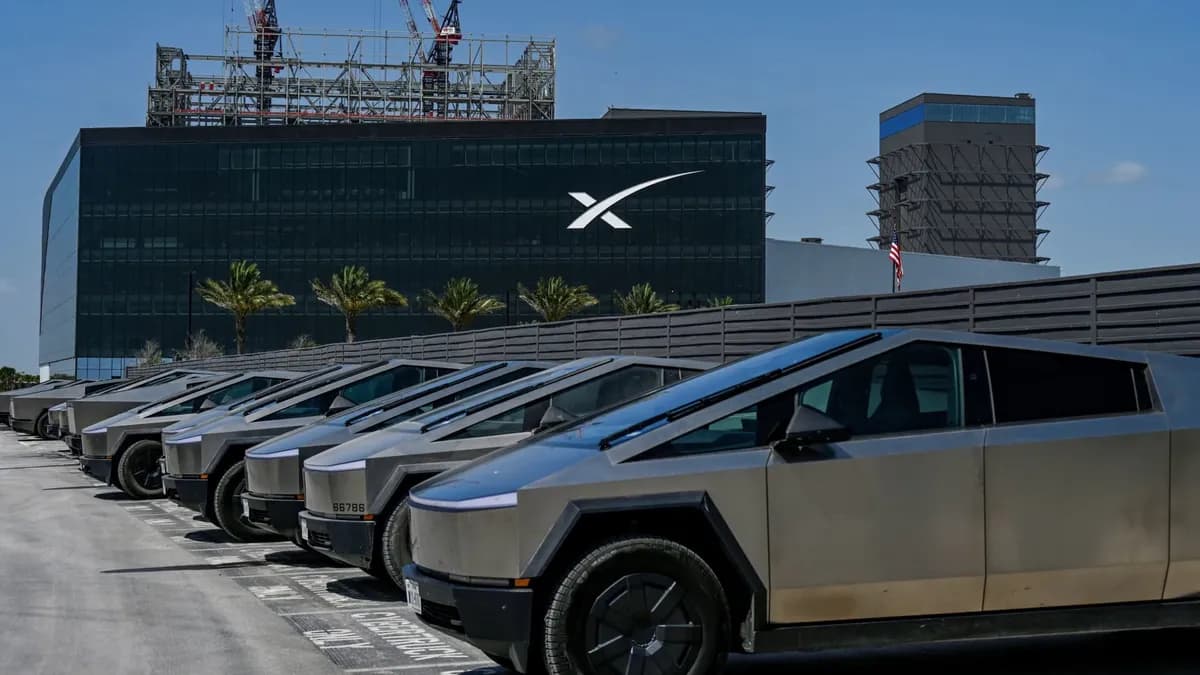
SpaceX +19% Over Three Months, Still 34% Below Post-IPO Peak
SpaceX recorded a 19% increase over the last three months, though the stock remains 34% below the level reached after its IPO at $225.64. This progress is driven by recent launch missions and increased satellite pre-orders.
The market perceives these results as a sign of SpaceX's ability to rapidly monetize its launch infrastructure, though the current valuation remains far below initial investor expectations.
Airlines: United Airlines -17% Over Three Months, Alaska Air -25%
United Airlines saw its stock drop 17% over three months, a 31% loss from its peak, while Alaska Air lost 25% over the same period, remaining 44% below its February peak. These drops reflect persistent pressures on fuel costs and post-pandemic booking uncertainties.
Analysts note that air traffic recovery remains uneven, with stronger domestic demand than international travel, which weighs on American carriers' profitability.
CoreWeave Upgraded to Buy, +0.44% at $61.12
CoreWeave closed at $61.12, up 0.44% after Goldman Sachs upgraded its recommendation from neutral to 'buy', citing the company's position in the high-performance computing segment. The stock remains 57% below its annual high of October 28, 2025.
Goldman's report highlights CoreWeave's position in the GPU ecosystem, a strategic advantage as demand for AI applications and 3D rendering increases. Jim Cramer also criticized the performance of several sector peers, including Nebius (-43%) and Hut 8 (-52%).
Keurig Dr Pepper +13.6% in October, Coca-Cola +8.5% in October
In the non-alcoholic beverages sector, Keurig Dr Pepper hit its 15-month high, gaining 13.6% in October, while Coca-Cola gained 8.5% over the same period. PepsiCo, however, remains 22% below its February peak despite a 5.4% increase in October.
These movements reflect a recovery in sparkling beverages and ready-to-drink coffee consumption, supported by increased demand during the back-to-school season and targeted promotional campaigns.