The Dow Jones advanced over 140 points as Anthropic's IPO filing energized tech stocks. The Nasdaq‑100 is down 6.66% from its peak, while food stocks and semiconductors suffer sharp declines.
The Dow Industrials gained over 140 points, delivering the first notable advance of the week, while Anthropic's IPO filing injected positive momentum into tech stocks. In return, the Nasdaq‑100 lost 6.66% from its early-month peak, triggering a broad decline in semiconductor names.
Dow Industrials +140 points, first advance of the week
The main U.S. index closed the session up 140 points, a gain of nearly 0.4% according to CNBC data. The advance was underpinned by renewed macroeconomic optimism, with investors interpreting the latest consumer indicators as a sign of resilience. The industrial and consumer discretionary sectors led the rebound, each posting gains above 1%. The move was amplified by capital inflows into the bond market, which sought to benefit from yield stability.
Bloomberg analysts noted that the Dow's advance could signal a sentiment reversal after several days of pullbacks. However, they remain cautious, noting that volatility remains elevated amid inflation still running above expectations. Tracking the Dow will be crucial in the coming days, particularly watching reactions to upcoming earnings reports.
Anthropic files for IPO, boost for tech stocks
The announcement of AI startup Anthropic's IPO filing provided a genuine boost to tech stocks, which have shown upside momentum since the filing. The Nasdaq‑100, though broadly lower, saw its AI components such as NVIDIA and Apple notch sporadic rebounds. According to CNBC, the prospect of a fresh capital source eased concerns about funding scarcity in the sector.
Technology specialists emphasized that Anthropic's IPO could open the door to further fundraising in the AI space, a segment where capital demand is already strong. This dynamic is all the more important as sector companies face rising financing costs, as Nvidia CEO Jensen Huang reminded in a morning interview.
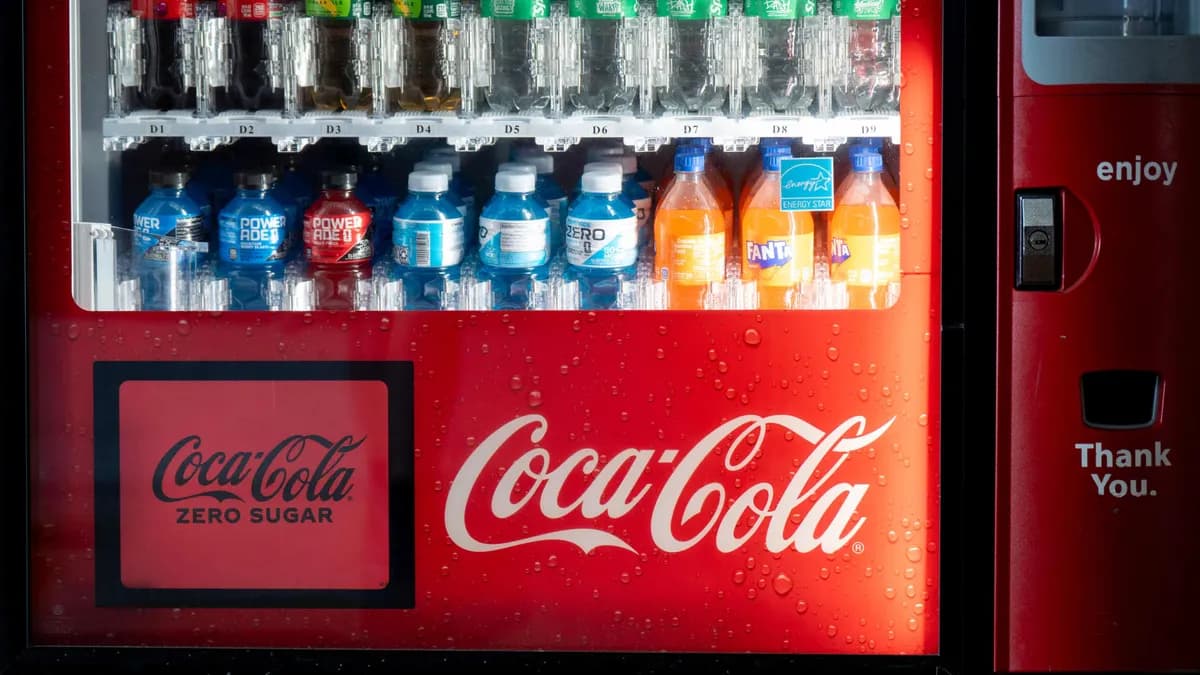
Coca‑Cola climbs 13% in three months, new all-time high
The beverage giant saw its share price rise nearly 13% over the past three months, hitting a new high last week. The advance was fueled by robust sales forecasts and an earnings report due in the morning, per CNBC's briefing. Investors cheered Coca‑Cola's ability to maintain high margins despite inflationary pressures on raw material costs.
The stock also benefited from capital inflows from dividend funds seeking stable yields in a rising-rate environment. FT analysts indicated that the share performance could support broader consumer market sentiment, even as volatility persists.
Hormel Foods drops 17% in three months, pressure on food stocks
Food group Hormel Foods saw its shares retreat 17% over the past three months, posting a 21% decline since its June peak, per CNBC data. CEO John Ghingo was invited to appear on "Squawk on the Street," reflecting heightened scrutiny on the company following this deceleration. Analysts point to a combination of compressed margins and increased competition as key drivers of the decline.
The food sector as a whole posted mixed performance, with some names like Coca‑Cola advancing while others, including Hormel, struggle to regain ground. This divergence has heightened caution among investors looking to balance portfolios between high-growth stocks and defensive names.
Goldman Sachs notes negative correlation between AI and U.S. job creation
CNBC anchor Carl Quintanilla revealed an internal Goldman Sachs note stating that "the share of U.S. firms that have adopted AI in their core functions now shows a statistically significant negative correlation with employment growth and a positive correlation with unemployment." This observation, cited by CNBC, suggests that increased automation could curb job creation in the months ahead.
ECB economists recalled that AI's impact on the labor market remains difficult to quantify, but that public policy may need to adjust to mitigate substitution effects. Investors will closely monitor upcoming jobs reports to gauge the real influence of these technological trends.
Jim Cramer warns of funding scarcity for AI giants
In his "Mad Money" segment, Jim Cramer highlighted that AI giants are struggling to raise capital, citing Amazon's bond offerings, Meta's equity deals, and placements by SK Hynix, Oracle, Intel, and Alphabet. He stated that "debt and equity markets are running short of money," heightening the risk of a funding crunch. This warning was reinforced by Cramer's concerns over rising interest rates, which he says will make capital even scarcer.
Nvidia CEO Jensen Huang also expressed reservations about financing availability, reinforcing Cramer's cautious tone. Despite these signals, Bloomberg analysts note that demand for AI solutions remains high, keeping pressure on valuations despite funding constraints.
Semiconductors tumble: Nasdaq‑100 -6.66%, SMH -20%, DRAM -41% since June
The Nasdaq‑100 has pulled back 6.66% from its early-month peak, driving a broad decline in semiconductor names. The VanEck Semiconductor ETF (SMH) has lost 20% since the June peak, while the Roundhill Memory ETF (DRAM) has plunged 41% over the same period, per CNBC. The iShares Semiconductor ETF (SOXX) has logged a 25% decline from its high.
Individual names like AMD have seen their shares drop nearly 20% since October 6, while Nvidia has shed 11% since the same day. Amazon, though less directly exposed to chips, has also retreated 13% from its August 3 peak. These moves reflect market concerns over future demand and financing conditions, exacerbated by Cramer's comments and the Goldman Sachs note.