

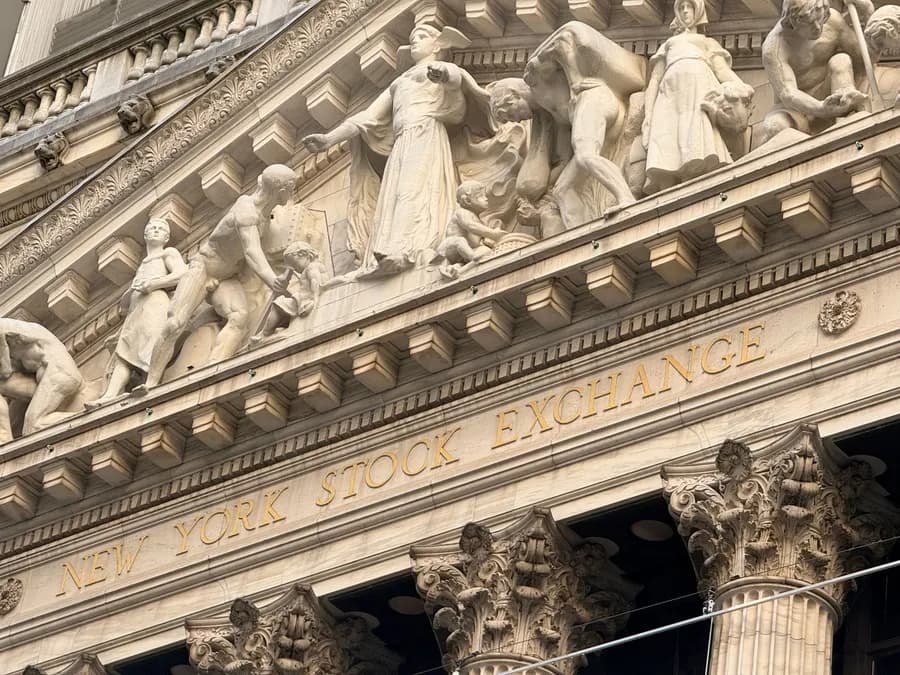
2022: a stock market year of rare brutality since 2008
The year 2022 established itself as one of the most difficult for investors since the 2008 financial crisis. The S&P 500, the flagship index of American stocks, fell by 19.4% over the year, wiping out nearly two years of cumulative gains. The Nasdaq, more exposed to technology and growth stocks, suffered an even more severe drop, around 33% (source: Bloomberg, data as of 12/31/2022). The volatility and magnitude of losses recalled the worst phases of bear markets, undermining traditional portfolios.
Cryptocurrencies, often seen as a distinct asset class, were not spared. Bitcoin plunged 65% in 2022, falling from a peak near $69,000 at the end of 2021 to about $20,000 in December 2022 (CoinMarketCap). In the bond segment, usually considered a safe haven, the disappointment was major: the TLT ETF (US Treasury 20+ years) lost 31% over the year, a rare underperformance in this asset class. Finally, the classic 60% stocks / 40% bonds portfolio declined by 17%, its worst annual performance since 1937 according to Morningstar data.
| Asset | 2022 Performance |
|---|---|
| S&P 500 | -19.4% |
| Nasdaq Composite | -33% |
| Bitcoin | -65% |
| US long-term bonds (TLT) | -31% |
| 60/40 Portfolio | -17% |
The roots of the crisis: record inflation and rapid monetary tightening
If 2022 was such a black year, it is primarily due to a macroeconomic environment unprecedented in four decades. The American inflation rate (consumer price index – CPI) peaked at 9.1% in June 2022, its highest level since 1981 (source: Bureau of Labor Statistics). This